Choosing reliable parking services for residential and commercial needs
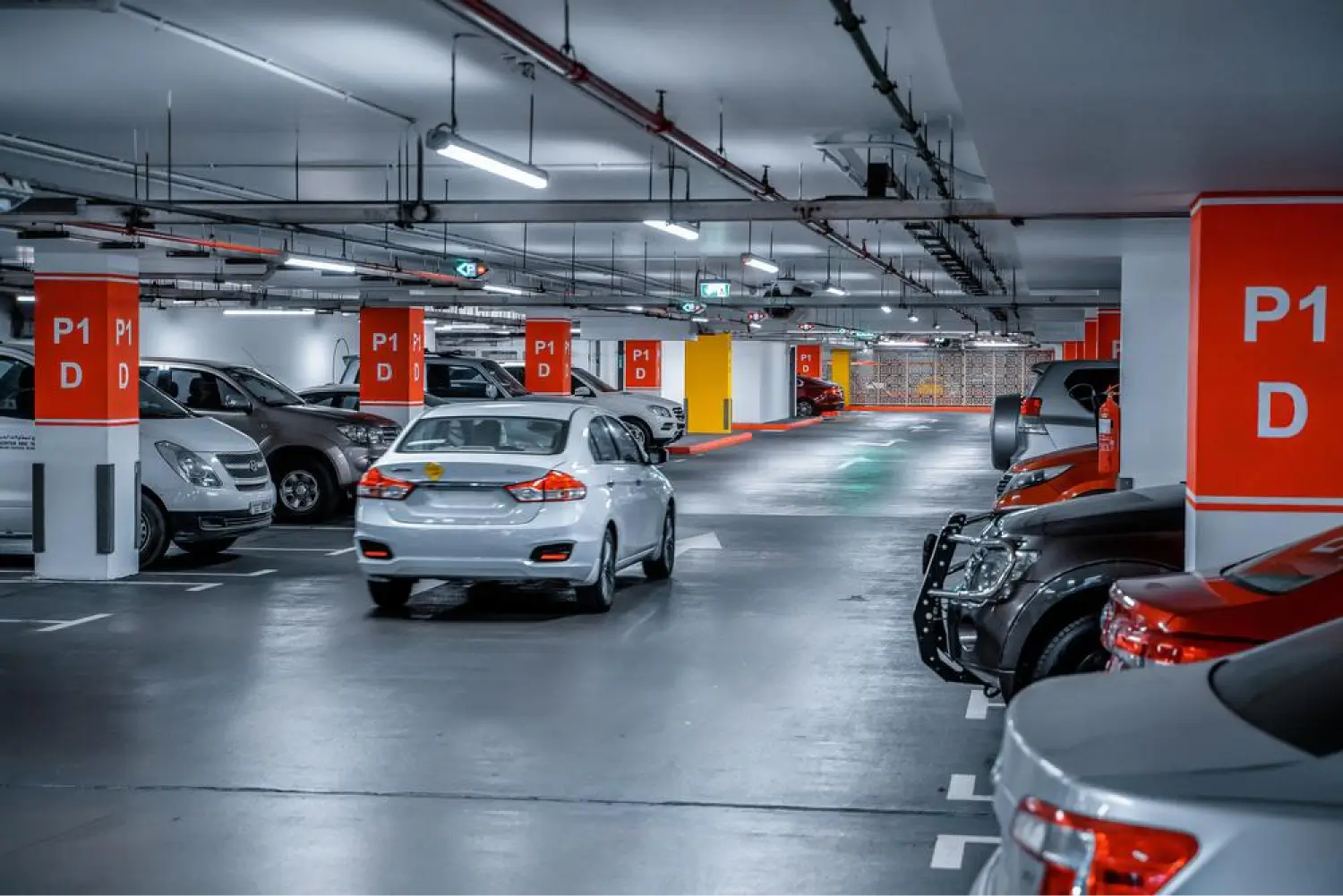
Finding proper space management solutions helps maintain order within shared areas used by residents plus businesses. Parking Enforcement NZ supports organized usage by guiding access rules while preventing misuse through planned monitoring. Good systems help reduce conflict, improve flow, and ensure fair access across shared spaces where clear control methods are needed for daily operations within managed properties.
Clear Access Control Methods
Access control systems manage entry points, limit misuse, and support authorized use through structured checks, which improve order across shared spaces that require regulated entry during daily activity within managed environments where control remains essential for proper usage.
Rule Enforcement And Compliance Support
Enforcement systems ensure rules are followed, reduce misuse, support fair practices through clear guidance, which maintains structured use across areas needing regulated control while preventing disputes during routine activity within shared property spaces.
Cost Management And Efficiency Benefits
Efficient systems reduce unnecessary expenses, improve resource use, and support better planning, which helps property managers maintain balance across shared areas, requiring cost-effective solutions for long-term operation within structured management environments.
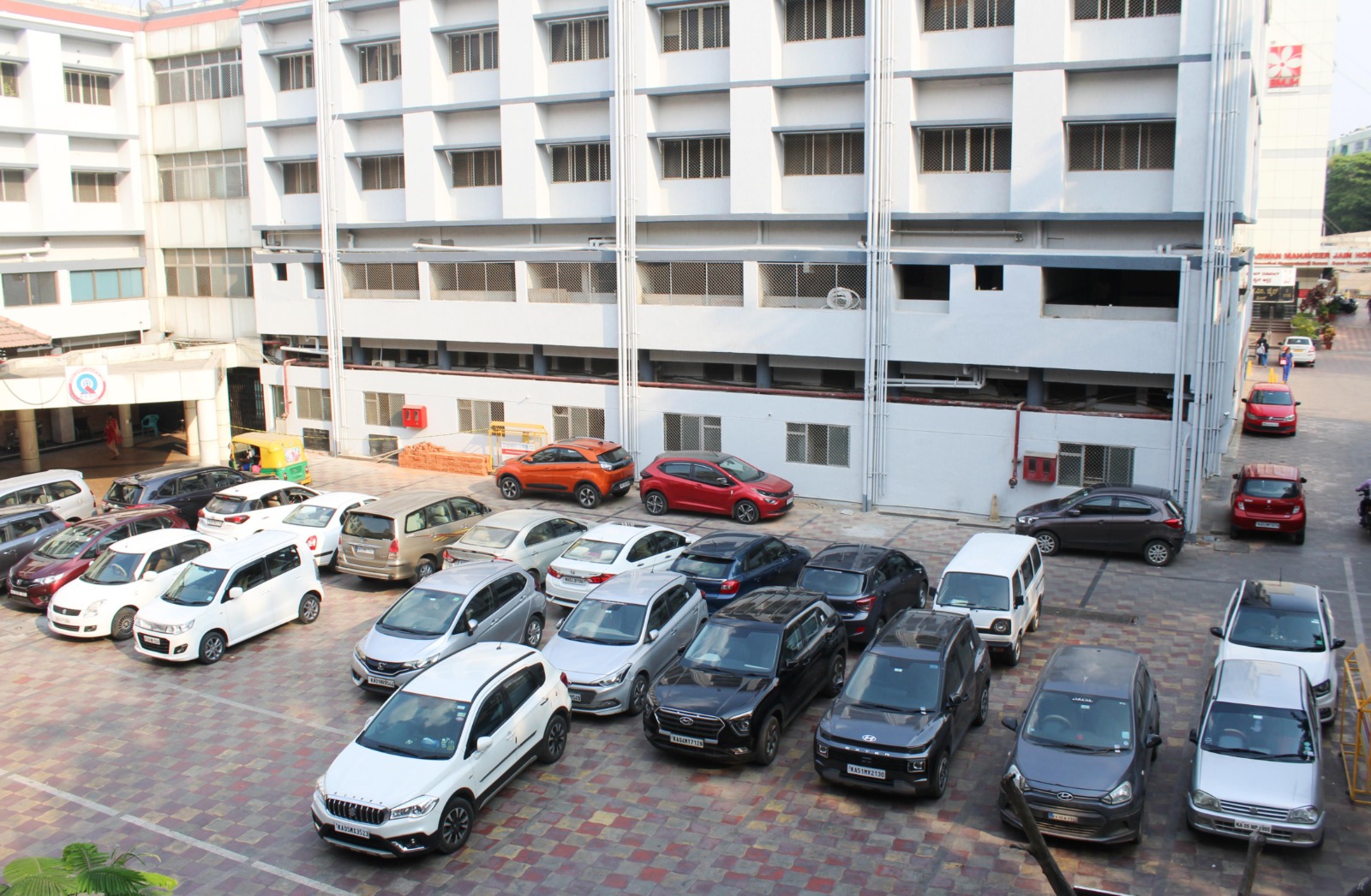
User Convenience And Easy Access
Simple access systems improve user satisfaction, reduce confusion, support smooth entry processes, which help maintain organized flow across shared spaces where easy movement is important for daily activity within structured environments needing reliable control.
Preventing Unauthorized Space Usage
Strong control systems block unauthorized use, protect assigned areas, and support proper access, which reduces misuse across shared zones requiring strict monitoring during daily operations, where maintaining fairness remains essential for all users involved.
Maintenance And Operational Support Services
Regular maintenance checks ensure systems function properly, reduce faults, support smooth operation, which helps maintain reliability across shared areas requiring consistent monitoring during daily activity within structured management environments needing dependable solutions.
Reducing Conflicts Between Users
Structured systems minimize disputes, clarify rules, and support fair access, which helps maintain harmony across shared spaces, requiring balanced usage during daily operations within managed environments where clear guidelines improve user cooperation effectively.
Smart planning improves usage flow, supports fairness, and reduces misuse across shared zones. Parking Enforcement NZ helps maintain structured control through reliable systems that support organized access while improving efficiency across spaces requiring consistent supervision daily.
FAQs
What makes a service reliable?
A reliable service offers consistent monitoring, clear rules, and strong support systems that help maintain order across shared areas during daily use effectively.
How does monitoring improve safety?
Monitoring systems detect misuse quickly, guide action steps, and reduce risks, which helps maintain secure use across shared zones during regular activity periods.
Why is proper allocation important?
Proper allocation reduces confusion, ensures fair access, supports organized flow, which helps maintain balance across shared areas during peak usage times