Crystal-clear HD and 4K streams elevate weekend sports viewing parties
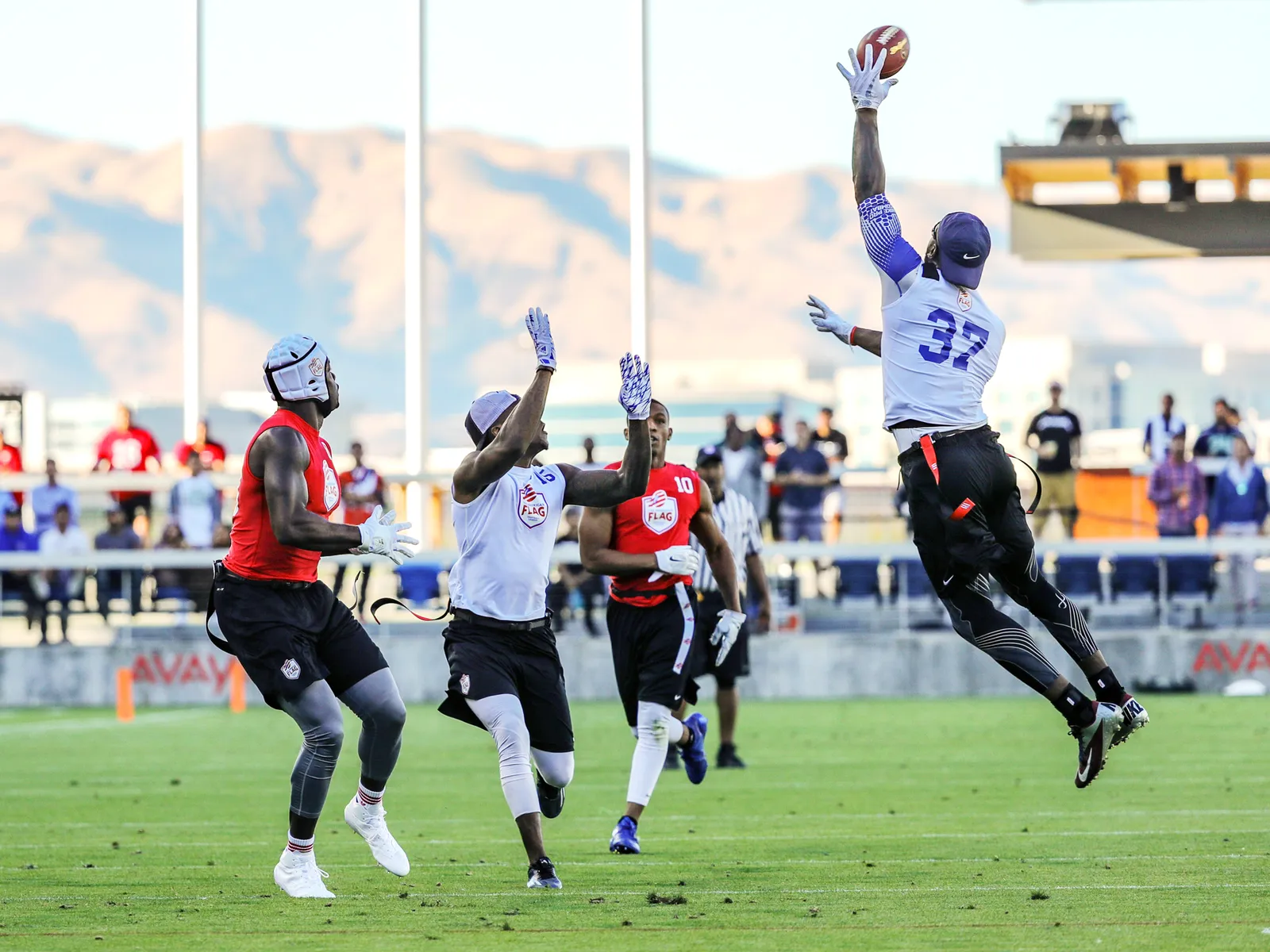
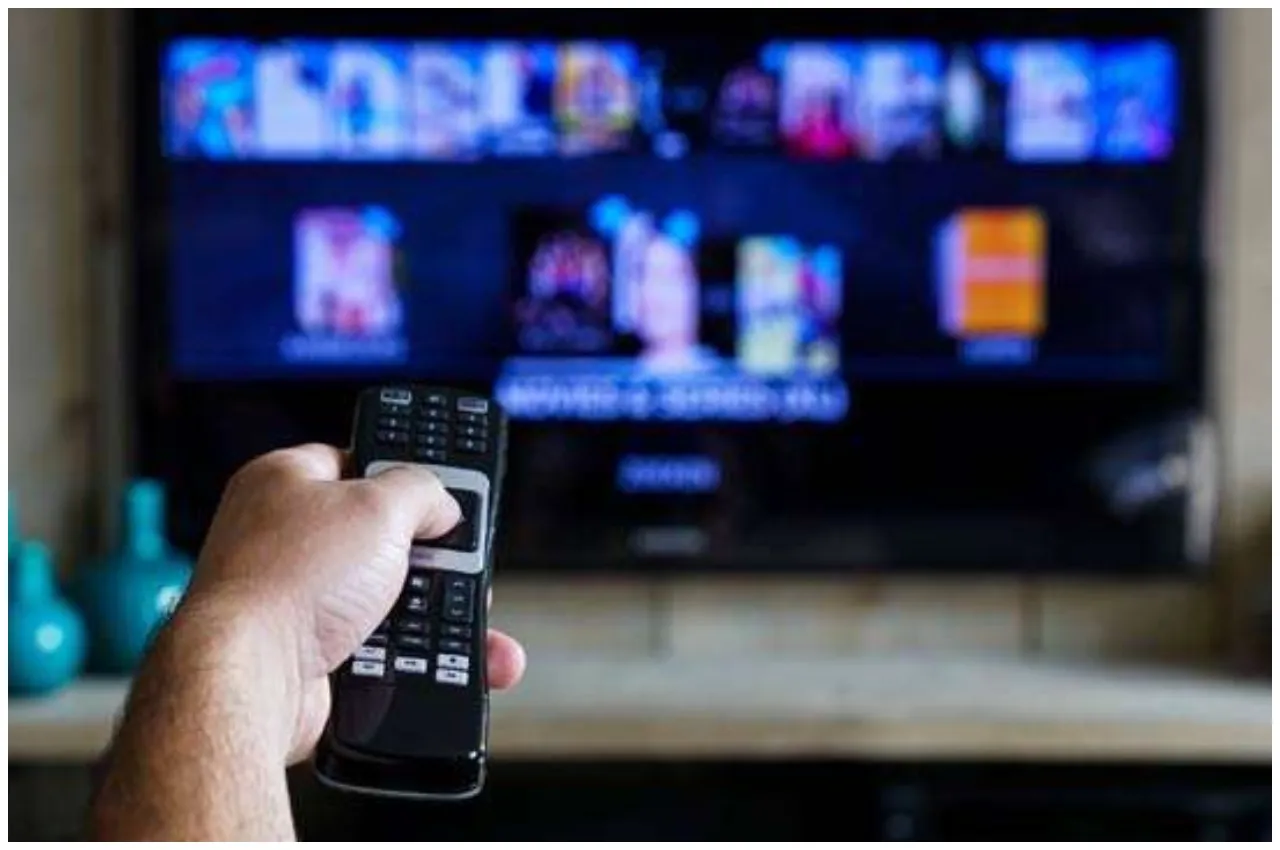
Friends arrive, snacks line the counter, and screens shine with lifelike motion. Stadium colors stay true, player numbers remain sharp, and replays look silky. Audio tracks carry chants, whistles, and commentary without harshness or muddiness. Remotes feel responsive IPTV Service menus move quickly between channels and key moments. Guests relax because the setup is tidy, cables hidden, and controls intuitive.
Home Matchday Setup Basics Guide
Map equipment locations so cables stay short, safe, and out of sight. Reserve the strongest connection for the main display to avoid surprises. Balance screen size with seating distance so eyes stay comfortable through doubleheaders. Confirm app sign-ins earlier, preventing frantic logins right before kick-off.
Network Stability for Peak Hours
Prioritize wired links for the primary TV, keeping Wi-Fi for mobiles. Update router firmware midweek and schedule quick reboots before headline fixtures.
- Ethernet backbones reduce congestion, protecting streams when several rooms are active.
- Dual-band routing separates gaming and playback, avoiding sudden drops during replays.
- Mesh nodes erase dead zones, maintaining stability across kitchens, balconies, and hallways.
- QoS rules prioritize video packets, smoothing motion during simultaneous downloads elsewhere.
- UPS power keeps routers alive through short outages, saving party momentum.
- Clean HDMI runs prevent handshake issues, preserving HDR and surround compatibility.
- Channel auto-selection avoids neighborhood interference, lifting throughput on busy nights.
- Router placement away from metal surfaces improves coverage and reduces attenuation.
Visual and Audio Tuning Principles
Choose picture modes calibrated for sports, favouring consistent motion and natural tones. Moderate motion smoothing to prevent soap-opera effects on fast camera pans. Dial dialogue enhancement slightly upward so commentary cuts through crowd noise. Compare providers and codecs, and include IPTV Service options known for low latency.
What Preparations Ensure Smooth Matchday Group Viewing Experiences?
Plan with checklists confirm app access, test channels, and stage remotes. Arrange seats for clear sightlines, then level audio so side conversations remain possible.
Food, hydration, and charging stations keep people comfortable between haves and innings. A tiny toolkit, spare batteries, HDMI, and Ethernet solve small problems before they grow.
Comfortable Seating and Sightline Planning
Stagger chairs so no one stares around a shoulder during decisive plays. Keep aisles open for refills without blocking views or tripping cables. Add cushions or risers for back rows to elevate angles pleasantly.
Devices, Apps, And Everyday Convenience
Streaming sticks, consoles, and smart TVs each offer distinct interfaces and strengths. Pick the one your group navigates quickly with minimal clicks or confusion. Build a simple favorites list for rapid zapping between concurrent matches. Midseason checks comparing IPTV Service features help keep line-ups timely and engaging.
Winning Comfort, Every Weekend
Crowds appreciate fast channel changes, natural color, and balanced commentary levels. Small preparations, wiring, seating, and checklists remove friction that distracts from celebrations. Keep spare cables handy, label sources clearly, and test apps before guests arrive. Adjust settings gently as seasons change, and schedules shift across tournaments.