
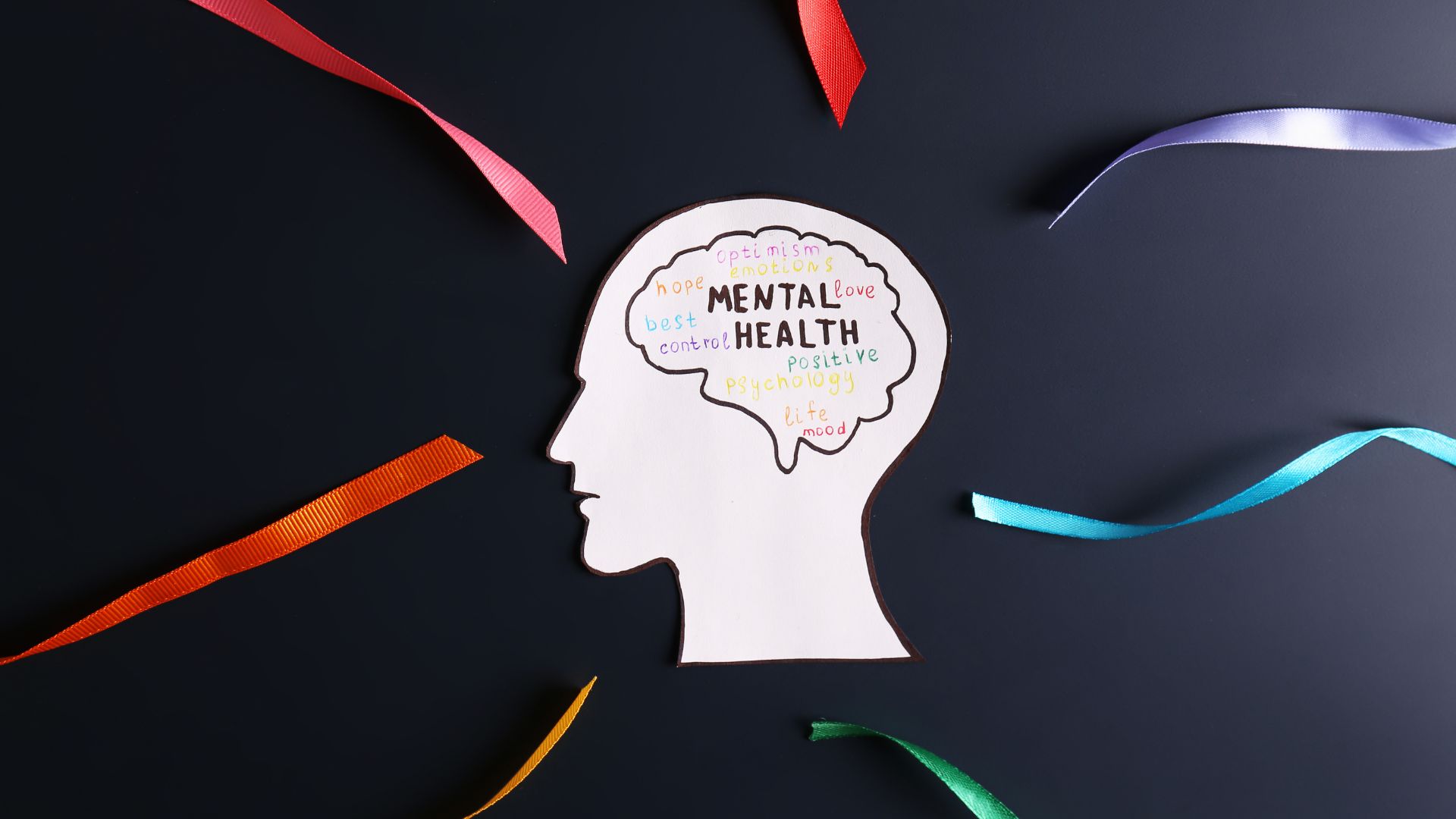
Mindfulness is an ancient practice that has gained significant popularity in recent years for its numerous mental health benefits. Rooted in meditation and awareness, mindfulness involves paying attention to the present moment without judgment. In this article, we will explore why mindfulness is essential for mental health and how incorporating it into your daily routine can lead to improved emotional well-being.
1. Reduces Stress
One of the primary benefits of mindfulness is its ability to reduce stress. By focusing on the present moment, mindfulness helps you detach from worries about the future or regrets about the past. Studies have shown that practicing mindfulness reduces the levels of cortisol, the stress hormone, in the body.
Mindfulness-based practices, such as deep breathing and guided meditation, activate the body’s relaxation response, helping to calm the nervous system. Over time, regular mindfulness practice can help you manage stress more effectively and maintain a sense of calm in stressful situations.
2. Enhances Emotional Regulation
Mindfulness helps improve emotional regulation by allowing you to become more aware of your emotions without being controlled by them. When you’re mindful, you’re less likely to react impulsively to negative emotions like anger or frustration. Instead, you can observe these feelings, acknowledge them, and choose how to respond in a thoughtful way.
Practicing mindfulness encourages acceptance of your emotions rather than suppression, which can lead to healthier emotional expression and better mental health overall.

3. Improves Focus and Concentration
Mindfulness practices can also enhance your ability to focus and concentrate. By training your mind to stay present, you develop better attention and cognitive control. Whether you’re working on a project, studying for an exam, or simply engaging in a conversation, mindfulness can help you stay focused and fully engaged.
Studies have found that individuals who practice mindfulness regularly have improved cognitive abilities, including better working memory and enhanced problem-solving skills.
4. Reduces Symptoms of Anxiety and Depression
Research has shown that mindfulness-based practices are effective in reducing symptoms of anxiety and depression. Mindfulness meditation can help individuals manage their thoughts and emotions more effectively, leading to reduced feelings of worry, sadness, and fear. In fact, mindfulness is often used as part of therapeutic techniques like Mindfulness-Based Cognitive Therapy (MBCT) to treat anxiety and depression.
Additionally, mindfulness helps break the cycle of rumination—repetitive, negative thinking that often worsens anxiety and depression. By learning to observe thoughts without judgment, individuals can create distance from these negative thought patterns and experience greater peace of mind.
5. Builds Resilience
Mindfulness not only helps you cope with stress but also builds resilience. As you practice mindfulness, you become more accepting of life’s ups and downs. Mindfulness teaches you to respond to challenges with patience and equanimity, rather than reacting with frustration or overwhelm. This resilience can lead to better mental health in the long run and help you bounce back from adversity with greater ease.
6. Using Technology for Mindfulness
In today’s digital age, mindfulness is more accessible than ever. Several apps offer Freemium services, providing guided meditation sessions, mindfulness exercises, and daily reminders to practice. These apps can help you stay on track with your mindfulness journey, especially if you’re just starting out. Popular apps like Headspace and Calm offer free versions with basic features, and you can upgrade to unlock more advanced content.
Some companies, such as Dominant Vapor, also offer mindfulness tools alongside wellness products that enhance relaxation and focus, making it easier for you to maintain a mindfulness practice.
Conclusion
Mindfulness is a powerful tool for enhancing mental health. By reducing stress, improving emotional regulation, and fostering resilience, mindfulness can help you lead a more balanced and fulfilling life. With the help of Freemium mindfulness apps and other resources, it’s easier than ever to integrate mindfulness into your daily routine. Give it a try, and experience the mental and emotional benefits for yourself.