

Month: April 2026

Thyroid Aspiration: Importance Of Early Detection In Endocrine Health Management

Early attention to body signals supports long-term wellness and steady balance. The thyroid plays a key role in guiding energy use and internal harmony. Small changes may go unnoticed at first, yet timely checks help reduce future risks and bring clarity. Simple evaluation methods offer guidance without stress while helping people stay informed about their condition and next steps with confidence through trusted care like coastline endocrinology.

Why Early Checks Matter

Early checks help notice small variations before they turn into larger concerns. This awareness supports timely steps that reduce confusion and build confidence. People can understand their condition better and respond with clarity. Such attention improves overall balance and helps maintain steady internal function.

Can Subtle Signs Indicate Changes

Small signals from the body may seem minor, yet they can reflect bigger changes. Recognizing these signs early allows individuals to stay aware of possible concerns. It helps avoid delays that may lead to complications. Paying attention to these signals supports better control over personal health.

How Regular Monitoring Helps

Regular monitoring builds a clear understanding of internal patterns over time. It allows individuals to track changes and take steps without delay. This steady approach reduces uncertainty and supports informed choices. With guidance from coastline endocrinology, people gain confidence in managing their condition effectively.
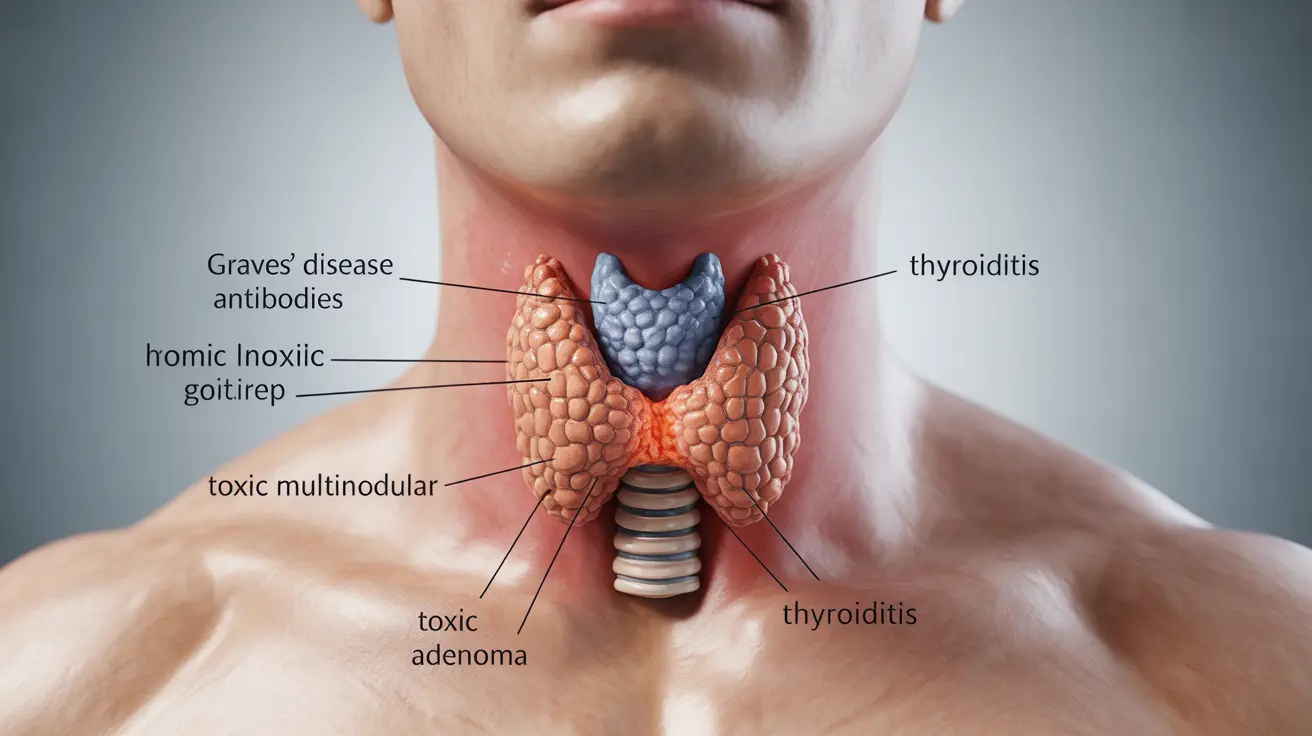
Thyroid Treatment

Building Awareness Through Simple Habits

  • Daily observation helps notice slight variations in body signals clearly
  • Consistent follow-up supports better understanding of internal changes over time

Simple habits improve awareness and guide timely response to concerns

  • Clear communication helps individuals make better decisions with confidence
  • Regular attention builds trust and reduces uncertainty about health direction

Supporting Balanced Internal Function

Maintaining balance requires attention and steady efforts over time. A focused approach helps manage changes without creating stress. Individuals benefit from clear guidance that supports stability. This consistency helps maintain better control and improves overall well-being.

Early awareness and steady observation create a strong base for better health control. Timely steps combined with a clear understanding reduce risks and support improved balance. A simple routine that includes monitoring and informed decisions helps individuals stay confident.

FAQ

Why is early detection important for maintaining stable internal health conditions?

Early detection helps identify changes quickly and supports timely steps for better control.

What role does gentle evaluation play in reducing stress during health checks?

Gentle evaluation methods provide clarity while ensuring individuals feel calm and reassured.

How can regular monitoring improve long-term balance and reduce future risks?

Regular monitoring helps track progress and supports better decisions for lasting stability.

Crafting Inclusive Patient Portals for Dental Website Success

Crafting Inclusive Patient Portals for Dental Website Success

The Digital Gateway to Modern Dental Care

In today’s rapidly evolving healthcare landscape, patient portals have emerged as indispensable tools that bridge the gap between dental practices and their patients. These digital platforms serve as comprehensive hubs where patients can access their dental records, schedule appointments, communicate with their care team, and manage their oral health journey with unprecedented convenience. The integration of well-designed patient portals into dental websites represents a fundamental shift towards patient-centred care that prioritises accessibility and engagement.

The concept of inclusivity in digital healthcare extends far beyond mere compliance with accessibility standards. It encompasses the creation of platforms that welcome patients from all backgrounds, abilities, and technological comfort levels. When dental practices embrace inclusive design principles, they demonstrate a commitment to serving their entire community whilst simultaneously enhancing their online presence and operational efficiency.

Understanding the Diverse Needs of Dental Patients

Modern dental practices serve increasingly diverse patient populations, each bringing unique requirements and challenges to the digital healthcare experience. Elderly patients may require larger text options and simplified navigation structures, whilst younger demographics often expect mobile-optimised interfaces with instant messaging capabilities. Patients with visual impairments benefit from screen reader compatibility and high contrast display options, whereas those with limited English proficiency require multilingual support and clear, jargon-free communication.

The recognition of these varied needs forms the foundation of successful inclusive design. Research indicates that patient portal accessibility features significantly improve user engagement and health outcomes, particularly among underserved populations who historically faced barriers to healthcare access. By addressing these considerations proactively, dental practices can create digital environments that truly serve all patients.

Essential Features for Inclusive Patient Portals

Universal Design Principles

The implementation of universal design principles ensures that patient portals remain usable by individuals with varying abilities and technological proficiency. This approach involves creating interfaces that adapt to different user preferences without requiring specialised versions or additional plugins. Clear navigation structures, consistent layout patterns, and intuitive user flows contribute to a seamless experience that reduces frustration and encourages regular portal usage.

Colour schemes play a crucial role in accessibility, with careful consideration given to contrast ratios and colour-blind friendly palettes. Typography choices should prioritise readability across different devices and viewing conditions, whilst maintaining the professional aesthetic that patients expect from their healthcare providers.

Communication and Language Accessibility

Language barriers represent one of the most significant obstacles to healthcare access, making multilingual support a cornerstone of inclusive portal design. Beyond simple translation services, truly inclusive portals incorporate culturally sensitive communication approaches that respect diverse healthcare traditions and preferences. Clear, plain-language explanations of dental procedures and treatment options ensure that all patients can make informed decisions about their oral health, regardless of their educational background or familiarity with medical terminology.

The integration of various communication channels within patient portals accommodates different comfort levels and preferences. Some patients prefer traditional appointment scheduling via telephone, whilst others embrace automated booking systems. Comprehensive patient portal solutions provide multiple pathways for engagement, ensuring that no patient feels excluded from accessing care.

Technical Considerations for Accessibility

The technical infrastructure supporting patient portals must accommodate assistive technologies commonly used by patients with disabilities. Screen readers, voice recognition software, and keyboard navigation systems require specific coding standards and testing protocols to function properly. Regular accessibility audits and user testing with diverse patient groups help identify potential barriers before they impact patient experience.

Mobile responsiveness extends beyond aesthetic considerations to encompass functional accessibility across different devices and connection speeds. Patients accessing portals via smartphones or tablets should enjoy the same comprehensive functionality available on desktop computers, with touch-friendly interfaces and optimised loading times that accommodate varying internet connectivity.

Measuring Success and Continuous Improvement

The development of inclusive patient portals represents an ongoing commitment rather than a one-time implementation. Regular feedback collection from diverse patient populations provides valuable insights into portal performance and identifies areas for enhancement. Patient perspectives on portal functionality and accessibility guide iterative improvements that maintain relevance and usability over time.

Analytics data revealing usage patterns across different demographic groups can highlight potential barriers or underutilised features. This information enables dental practices to refine their digital offerings continuously, ensuring that their portals remain valuable tools for patient engagement and practice growth.

Building a Foundation for Future Growth

Inclusive patient portals represent more than technological upgrades; they embody a practice’s commitment to equitable healthcare delivery. By prioritising accessibility and user-centred design, dental practices create digital environments that welcome all patients whilst positioning themselves for sustained success in an increasingly digital healthcare landscape.