Day: January 19, 2026

How to Find Your Dream Home in Portland: A Complete Guide

How to Find Your Dream Home in Portland: A Complete Guide

Portland, Oregon has become a highly sought-after city for homebuyers, offering a mix of urban lifestyle, natural beauty, and vibrant communities. From walkable neighborhoods to scenic suburbs, Portland’s real estate market provides options for every budget and lifestyle. However, finding your dream home requires careful planning, research, and strategy to navigate this competitive market effectively.

This guide will walk you through everything you need to know, from defining your priorities to closing the deal, so you can confidently find a home that fits your needs and goals.

Understand Your Priorities

Before you start house hunting, it’s essential to define what matters most in your new home. Consider factors like:

  • Location: Do you prefer downtown convenience, suburban quiet, or proximity to schools?
  • Home size and type: Single-family, townhouse, or condo? How many bedrooms and bathrooms?
  • Budget: Determine what you can afford, including mortgage payments, taxes, and maintenance.
  • Lifestyle needs: Yard space, pet-friendly properties, proximity to parks, or public transportation access.

Creating a checklist of must-haves versus nice-to-haves can make your search more focused and prevent decision fatigue.

Research Portland Neighborhoods

Portland has a variety of neighborhoods, each with unique characteristics:

  • Pearl District: Urban, upscale, with walkable streets, art galleries, and dining.
  • Sellwood-Moreland: Family-friendly, quiet streets, parks, and a mix of historic and newer homes.
  • Alberta Arts District: Vibrant, artistic, and community-focused, perfect for young professionals.
  • Hawthorne District: Trendy, eclectic, with boutique shopping and local cafés.
  • Beaverton & Lake Oswego (Suburbs): Offer more space, great schools, and suburban amenities.

Visiting neighborhoods at different times of day can help you get a feel for traffic, noise levels, and community vibe.

Set a Realistic Budget

Determining your budget is critical before viewing homes. Include:

  • Down payment: Typically 10–20% of the home price.
  • Closing costs: Approximately 2–5% of the purchase price.
  • Monthly mortgage payments: Include principal, interest, property taxes, and insurance.
  • Maintenance and repairs: Factor in annual costs for upkeep.

Working with a financial advisor or mortgage lender can help clarify what you can realistically afford.

Get Pre-Approved for a Mortgage

Getting pre-approved strengthens your position as a serious buyer and can speed up the process. It also helps you:

  • Know your exact price range.
  • Avoid falling in love with homes outside your budget.
  • Compete effectively in Portland’s competitive market.

Be sure to compare mortgage rates and loan options to secure the best terms for your situation.

AKI Homes Online

Work with a Knowledgeable Real Estate Agent

A local real estate agent is invaluable when finding your dream home. They can:

  • Provide insights into Portland’s market trends.
  • Suggest neighborhoods that match your lifestyle and budget.
  • Negotiate on your behalf to get the best price and terms.

Consider reaching out to reputable sources such as AKI homes online  for expert guidance and listings tailored to your needs.

Search and Visit Homes Strategically

Once your priorities, budget, and agent are in place, begin your home search:

  • Use online listings and MLS databases to filter homes that meet your criteria.
  • Schedule showings in clusters to maximize your time.
  • Take notes and photos during visits to compare options later.

Pay attention to the home’s layout, natural lighting, storage space, and potential renovations.

Conduct Thorough Inspections

Before making an offer, a professional inspection is essential. Inspections help identify:

  • Structural issues (foundation, roof, plumbing, electrical systems).
  • Environmental concerns (mold, radon, asbestos).
  • Needed repairs or upgrades that could affect your budget.

Use inspection findings to negotiate price reductions or request repairs from the seller.

Make a Competitive Offer

Portland’s market can be competitive, so making a strong offer is key:

  • Base your offer on comparable sales in the area.
  • Consider contingencies such as financing and inspection.
  • Work with your agent to craft an offer that balances competitiveness and protection.

Flexibility and responsiveness can make your offer stand out in multiple-offer situations.

Close the Deal

After your offer is accepted, the closing process begins:

  • Complete final mortgage approval.
  • Conduct a final walk-through to ensure the property is in the agreed-upon condition.
  • Sign closing documents, pay closing costs, and receive keys to your new home.

This stage requires attention to detail but marks the exciting conclusion of your home search journey.

Frequently Asked Questions (FAQs)

  • How do I start looking for a home in Portland?

Begin by defining your priorities, budget, and preferred neighborhoods, then work with a local agent.

  • Should I buy a home or rent first?

If you plan to stay long-term, buying builds equity, but renting offers flexibility if you’re exploring neighborhoods.

  • How competitive is Portland’s housing market?

Portland’s market is competitive; being pre-approved and ready to act gives you an advantage.

  • Can I afford a home in Portland on a modest budget?

Yes, focusing on suburbs or smaller homes can make buying more attainable while still offering access to the city.

  • What role does a real estate agent play?

Agents guide your search, negotiate on your behalf, and provide insights into neighborhoods, pricing, and market trends.

Seamless Transition to Your New Home

Moving into your dream home is more than just paperwork—it’s about creating a space where your life can thrive. Organize utilities, update your address, and plan your move-in logistics carefully. Personalizing your new home with furniture, décor, and storage solutions ensures a smooth transition.

The Role of Project-Based Learning in Enhancing Authentic Intellectual Work in the Classroom

The Role of Project-Based Learning in Enhancing Authentic Intellectual Work in the Classroom

Project-Based Learning (PBL) is one of the best methods in contemporary education for fostering critical thinking, creativity, and practical problem-solving skills. PBL places an emphasis on practical, student-centered learning, in contrast to traditional teaching approaches that frequently concentrate on rote memorization or isolated activities. Teachers can improve Authentic Intellectual Work (AIW), a framework that motivates students to use knowledge in ways that are applicable outside of the classroom, by involving students in worthwhile projects.

This article explores the role of project-based learning in fostering AIW, its benefits for students and teachers, strategies for effective implementation, and how PBL can transform classroom learning into a dynamic, authentic experience.

Understanding Project-Based Learning

Project-Based Learning is an instructional methodology that engages students in exploring complex questions, problems, or challenges over an extended period. Unlike traditional lessons where teachers primarily deliver content, PBL emphasizes student agency, collaboration, and inquiry.

Key Characteristics of PBL

  1. Student-Centered Learning: Students take ownership of their learning, making decisions and exploring topics that interest them.
  2. Inquiry-Based Approach: Learning begins with a driving question or problem, prompting investigation and analysis.
  3. Real-World Relevance: Projects are often connected to authentic problems or community needs.
  4. Collaboration: Students work in teams, developing communication, negotiation, and teamwork skills.
  5. Presentation of Work: Final projects are often shared with audiences beyond the classroom, reinforcing accountability and meaningful application.

By aligning learning with authentic experiences, PBL creates opportunities for deeper understanding and skill development.

What is Authentic Intellectual Work (AIW)?

Authentic Intellectual Work is an educational framework that measures the quality of student learning based on three dimensions:

  1. Construction of Knowledge: Students generate new knowledge rather than simply recalling facts.
  2. Disciplined Inquiry: Students analyze, interpret, and apply information in a rigorous manner.
  3. Value Beyond School: The work has relevance and potential impact outside the classroom setting.

AIW emphasizes depth of thought, understanding, and the ability to apply knowledge meaningfully, rather than superficial task completion.

How PBL Supports AIW

Project-Based Learning naturally complements the principles of AIW. When students engage in PBL, they are encouraged to explore complex issues, construct knowledge, and apply it in authentic contexts. Here’s how PBL enhances each dimension of AIW:

center for aiw

1. Construction of Knowledge

Through PBL, students actively research, analyze, and synthesize information to create original solutions or products. For example, a science project on sustainable energy requires students to gather data, test hypotheses, and develop actionable solutions, rather than simply memorizing formulas from a textbook.

2. Disciplined Inquiry

PBL encourages students to ask critical questions, evaluate evidence, and justify their conclusions. This process mirrors authentic inquiry in professional and academic contexts, where reasoning and problem-solving are essential. Students learn to support their decisions with data and logical analysis, fostering higher-order thinking.

3. Value Beyond School

By working on projects with real-world relevance, students see the broader impact of their work. Whether creating community-based initiatives, designing prototypes, or developing digital media, their efforts have tangible applications beyond grades. This relevance motivates engagement and nurtures a sense of responsibility.

Benefits of Using PBL to Promote AIW

Implementing project-based learning in the classroom offers a wide range of benefits:

1. Enhanced Student Engagement

Students are more invested in their learning when it connects to real-world problems or personal interests. Engagement increases curiosity, persistence, and enthusiasm for learning.

2. Development of Critical Thinking Skills

PBL requires students to analyze complex issues, consider multiple perspectives, and make informed decisions. These skills are crucial for academic success and future careers.

3. Improved Collaboration and Communication

Working in teams teaches students how to communicate effectively, resolve conflicts, and leverage diverse skills. These collaborative experiences mirror workplace dynamics and foster interpersonal growth.

4. Application of Knowledge

Students practice transferring classroom learning to real-world contexts. By solving authentic problems, they deepen their understanding and reinforce retention of concepts.

5. Preparation for Lifelong Learning

Project-based learning encourages curiosity, self-directed learning, and adaptability—key skills for success in higher education, careers, and personal development.

Implementing PBL to Enhance AIW in the Classroom

Effective implementation of project-based learning requires planning, structure, and reflection. Here are essential steps for integrating PBL to promote AIW:

Step 1: Identify a Driving Question

The foundation of PBL is a compelling, open-ended question that sparks inquiry. Effective questions are:

  • Relevant to students’ lives or interests
  • Complex enough to require investigation
  • Aligned with learning objectives and standards

For example, instead of “What is climate change?” Consider, “How can our community reduce its carbon footprint while maintaining economic growth?”

Step 2: Plan the Project

Careful planning ensures that projects are meaningful and manageable. Educators should:

  • Define objectives aligned with AIW principles
  • Determine resources, timelines, and assessment criteria
  • Design scaffolding activities to support students throughout the project
  • Encourage student choice to increase ownership and motivation

Planning ensures the project remains focused while allowing students flexibility to explore and innovate.

Step 3: Facilitate Student Inquiry

Teachers shift from delivering content to guiding students’ inquiry. Facilitation includes:

  • Asking probing questions to deepen understanding
  • Encouraging research and evidence-based decision-making
  • Supporting problem-solving and brainstorming sessions
  • Monitoring progress and providing timely feedback

This guidance fosters disciplined inquiry and encourages independent thinking.

Step 4: Incorporate Collaboration

Collaboration is central to PBL. Teachers can promote teamwork by:

  • Assigning roles within groups
  • Teaching communication and conflict-resolution skills
  • Encouraging peer review and feedback
  • Designing interdependent tasks that require collective problem-solving

Collaboration mirrors real-world professional environments and enhances social and cognitive skills.

Step 5: Use Authentic Assessments

Assessment in PBL should measure both process and product. Effective methods include:

  • Rubrics: Evaluate critical thinking, creativity, collaboration, and application of knowledge
  • Presentations: Share work with peers, teachers, or community members
  • Reflections: Encourage students to reflect on learning processes, challenges, and successes
  • Portfolios: Document the progression of research, prototypes, and final products

Authentic assessments ensure students demonstrate deep understanding and real-world relevance, consistent with AIW standards.

Step 6: Provide Opportunities for Reflection

Reflection is critical for consolidating learning. Encourage students to:

  • Analyze what strategies worked and what didn’t
  • Consider the ethical and societal impact of their solutions
  • Identify skills they developed and areas for growth
  • Set goals for future projects

Reflection reinforces metacognition and helps students internalize lessons learned.

Integrating Technology in PBL for AIW

Technology enhances project-based learning by providing tools for research, collaboration, and presentation. Digital tools support deeper inquiry and creative expression.

  • Research Platforms: Access credible sources, data sets, and multimedia resources
  • Collaboration Tools: Platforms like Google Workspace, Trello, or Zoom facilitate teamwork and communication
  • Digital Creation Tools: Students can design infographics, videos, websites, or digital prototypes
  • Data Analysis Software: Tools like Excel or Python allow for sophisticated analysis of project data

Using technology strategically enhances both the rigor and authenticity of student projects.

Examples of PBL Projects That Promote AIW

Here are a few examples of PBL initiatives that foster authentic intellectual work:

  • Environmental Sustainability Projects: Students design community-based solutions for waste reduction or energy efficiency
  • Entrepreneurship Projects: Teams create small business models addressing real consumer needs
  • STEM Challenges: Students engineer devices, apps, or prototypes to solve scientific or technical problems
  • Social Studies Initiatives: Students research local history or civic issues and present findings to local organizations
  • Literacy and Media Projects: Students produce podcasts, videos, or digital publications with relevant societal messages

These projects emphasize knowledge construction, disciplined inquiry, and real-world value, aligning closely with AIW principles.

The Role of Professional Development

For PBL to be successful in promoting AIW, teachers need training and support. Professional development can help educators:

  • Design effective driving questions and projects
  • Learn strategies for facilitating inquiry-based learning
  • Develop authentic assessment tools
  • Incorporate technology effectively
  • Manage classroom collaboration and dynamics

Resources from institutions like the center for AIW provide frameworks, rubrics, and training programs to help teachers implement PBL that enhances authentic intellectual work in meaningful ways.

Challenges and Solutions in Implementing PBL

Implementing project-based learning is not without challenges. Common obstacles include:

1. Time Management

Projects require extended time and planning.
Solution: Break projects into manageable milestones and provide clear timelines.

2. Student Readiness

Not all students are accustomed to self-directed learning.
Solution: Provide scaffolding, model inquiry processes, and gradually increase autonomy.

3. Assessment Complexity

Evaluating both process and product can be difficult.
Solution: Use rubrics and multiple assessment methods to capture learning comprehensively.

4. Resource Limitations

Some projects require materials or technology that may not be readily available.
Solution: Encourage creativity with low-cost or digital alternatives, and leverage community partnerships.

Best Practices for Successful PBL

To maximize the impact of PBL on AIW, teachers should:

  • Encourage Student Choice: Allowing students to select topics or approaches increases engagement
  • Align Projects with Standards: Ensure projects meet curriculum goals while promoting authentic learning
  • Promote Iteration: Encourage students to revise and improve their work based on feedback
  • Celebrate Learning: Recognize effort, creativity, and application, not just final products
  • Foster Community Connection: Engage local organizations, businesses, or experts to enhance real-world relevance

Following these best practices ensures that PBL is not only enjoyable but also meaningful and impactful.

Frequently Asked Questions (FAQs)

  • What is project-based learning and why is it important in the classroom?

Project-based learning (PBL) is an educational approach where students learn by working on meaningful, real-world projects. It is important because it actively engages students, promotes critical thinking, and helps develop problem-solving skills.

  • How does project-based learning support authentic intellectual work?

PBL encourages students to apply knowledge in real-life contexts, analyze complex problems, and create meaningful solutions. This process aligns with authentic intellectual work by fostering deep understanding and higher-order thinking.

  • What are the key benefits of authentic intellectual work for students?

Authentic intellectual work helps students build critical thinking, creativity, and practical problem-solving abilities. It also improves retention of knowledge, increases motivation, and prepares students for real-world challenges.

  • Can project-based learning be used in all subjects?

Yes, project-based learning is versatile and can be applied across subjects like math, science, language arts, and social studies. Projects can be customized to meet curriculum standards while giving students hands-on, meaningful learning experiences.

  • How do teachers assess authentic intellectual work in project-based learning?

Teachers assess authentic intellectual work using tools like rubrics, presentations, portfolios, and reflective journals. The focus is on evaluating critical thinking, creativity, problem-solving, and real-world application of knowledge rather than memorization.

Empowering Students Through Project-Based Learning and Authentic Intellectual Work

Project-Based Learning is a powerful approach to enhancing Authentic Intellectual Work in the classroom. By engaging students in meaningful projects, teachers foster knowledge construction, disciplined inquiry, and work that holds value beyond school. PBL develops critical thinking, collaboration, and problem-solving skills, while connecting learning to real-world contexts.

When implemented thoughtfully, with clear driving questions, authentic assessments, collaboration, and reflection, project-based learning transforms education from passive instruction to active, student-centered discovery. Integrating PBL into classroom practice equips students with the skills and mindset necessary for lifelong learning and real-world success.


How to Choose the Right Bathroom Fixtures for Style & Function

How to Choose the Right Bathroom Fixtures for Style & Function

Choosing the right bathroom fixtures is a critical step in designing a bathroom that is both visually appealing and highly functional. Fixtures influence how the space looks, feels, and performs on a daily basis. In 2026, bathroom design is no longer just about appearance—it is about efficiency, innovation, comfort, and long-term usability.

From faucets and shower systems to toilets and vanities, modern bathroom fixtures must support water conservation, smart living, and evolving lifestyle needs. With countless styles and technologies available, understanding how to evaluate fixtures strategically helps homeowners make confident, future-ready decisions.

Start With a Clear Bathroom Design Direction

Before selecting individual fixtures, define the overall style of your bathroom. Fixtures should enhance the design narrative rather than clash with it.

Popular bathroom styles include:

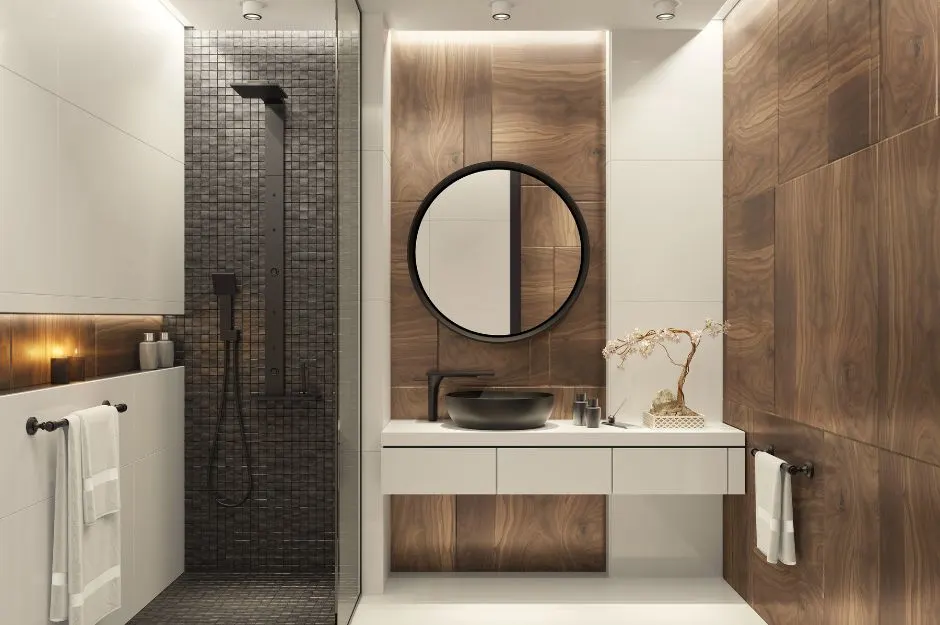
  • Modern and minimalist: Clean lines, matte finishes, and simple silhouettes
  • Warm contemporary: Earth tones, brushed metals, and organic forms
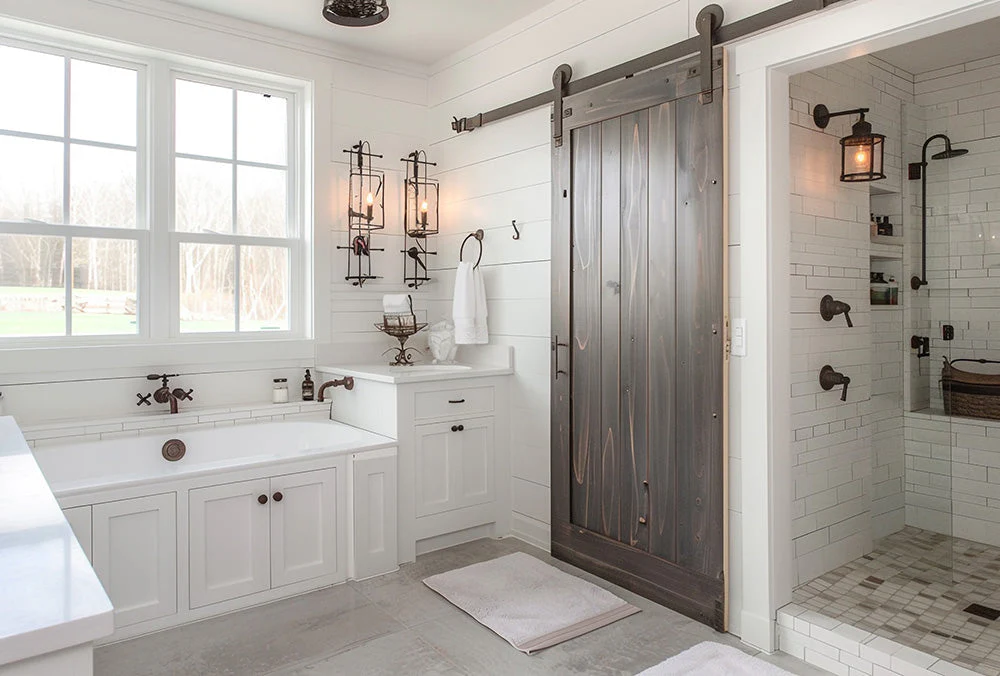
  • Transitional: A blend of classic detailing and modern simplicity
  • Spa-inspired: Natural textures, soft lighting, and calming materials

A clear design direction ensures cohesion across fixtures, finishes, and accessories.

Prioritize Functional Innovation First

Before committing to style, ensure your fixtures meet modern performance standards. In 2026, functional innovation is a baseline expectation rather than a luxury.

Zolotas KB

Water Efficiency and Sustainability

Water-efficient fixtures are essential for both environmental responsibility and long-term savings. Look for products that meet recognized efficiency standards, such as WaterSense certification. Many modern faucets and shower systems reduce water usage significantly while maintaining strong pressure and comfort.

These technologies support conservation without compromising daily performance.

Smart Technology for Hygiene and Control

Smart fixtures are increasingly common in modern bathrooms. Touchless faucets improve hygiene and reduce water waste, while digital shower systems allow users to preset water temperature and flow preferences.

App-connected controls provide consistency, comfort, and a personalized experience—particularly appealing in households with multiple users.

Thermostatic Valves for Safety and Comfort

Thermostatic valves are now considered essential in modern bathrooms. They maintain a consistent water temperature even when other fixtures in the home are in use, preventing sudden temperature fluctuations.

This feature enhances safety, comfort, and energy efficiency, especially in family homes.

Low-Maintenance Fixture Design

Ease of cleaning is a major consideration in contemporary bathrooms. Features such as rimless toilets and wall-mounted vanities eliminate hard-to-reach areas where dirt can accumulate.

These design choices improve hygiene, simplify maintenance, and create a more open, spacious feel.

Match Fixture Style to 2026 Bathroom Trends

Once performance requirements are met, focus on aesthetics that reflect current and emerging trends.

Trending Finishes for Modern Bathrooms

While chrome remains a timeless option, warmer and more expressive finishes are defining 2026 bathroom design.

Popular choices include:

  • Brushed brass for warmth and elegance
  • Matte graphite and gunmetal for a modern, understated look
  • Soft metallic tones that pair well with earth-inspired color palettes

These finishes complement trending colors such as sage green, clay, and terracotta.

Sculptural and Organic Silhouettes

Bathroom fixtures are increasingly viewed as functional art. Faucets and showerheads now feature elongated spouts, curved profiles, and organic shapes that soften the space.

These sculptural elements add character without overwhelming the design.

Mixing Materials for a Custom Look

Perfectly matched fixture sets are giving way to curated combinations. Mixing a dominant finish with subtle accent tones—such as matte black paired with warm metallic details—creates depth and individuality.

This approach adds visual interest while maintaining balance.

Vanity Design That Enhances Function

Modern vanities are as functional as they are stylish. Floating vanities with integrated LED lighting create a sleek, uncluttered appearance while improving visibility.

Built-in charging stations and concealed storage further enhance convenience and usability.

Ensure Compatibility and Long-Term Durability

A beautiful fixture is only valuable if it performs well over time. Compatibility with your home’s infrastructure and material quality should never be overlooked.

Consider Local Water Quality

In areas with hard water, certain finishes may show spotting or wear more quickly. Brushed finishes and advanced coating technologies offer greater resistance to corrosion and discoloration.

Choosing the right finish ensures your fixtures maintain their appearance longer.

Match Fixtures to Water Pressure Conditions

Not all fixtures perform equally under different water pressure conditions. Homes in high-rise buildings or older properties may require fixtures designed to maintain consistent flow under variable pressure.

Verifying compatibility avoids performance issues after installation.

Invest in High-Quality Materials

Material quality plays a significant role in fixture longevity. Solid brass construction is preferred for plumbing fixtures, while high-performance ceramics are ideal for sinks and toilets.

Well-made fixtures can last decades, making them a worthwhile investment.

Choose Brands With Long-Term Support

Reputable manufacturers offer extended warranties and readily available replacement parts. This support ensures easier maintenance and long-term reliability.

Zolotas KB

Many homeowners rely on experienced professionals such as Zolotas KB when selecting bathroom fixtures to ensure design intent, performance standards, and installation requirements align seamlessly. Expert guidance helps prevent costly errors and ensures fixtures complement both the layout and long-term functionality of the space.

Don’t Overlook Hardware and Accessories

Smaller elements like towel bars, robe hooks, toilet paper holders, and drawer pulls play a major role in the finished look of the bathroom.

For best results:

  • Match accessory finishes to primary fixtures
  • Choose durable materials with secure mounting
  • Select pieces scaled appropriately to the space

These details tie the entire design together.

Balance Budget With Long-Term Value

While budget is always a consideration, bathroom fixtures are not an area where cutting corners pays off. Higher-quality fixtures offer better performance, durability, and warranties.

Balancing upfront cost with longevity often results in better overall value.

Plan for Accessibility and Future Needs

Future-proofing your bathroom adds long-term usability. Lever-style handles, handheld showerheads, and anti-scald features improve accessibility for users of all ages.

These features increase comfort today while accommodating changing needs over time.

See and Test Fixtures Before Purchasing

Whenever possible, visit a showroom to experience fixtures firsthand. Seeing finishes under real lighting and testing controls provides clarity that online images cannot.

This step reduces uncertainty and ensures satisfaction after installation.

Frequently Asked Questions

  • How do I choose fixtures that fit my bathroom style?

Start with a defined design theme, then select fixtures with complementary shapes, finishes, and proportions.

  • Are water-efficient bathroom fixtures effective?

Yes. Modern water-efficient fixtures maintain strong performance while reducing water consumption.

  • Should all fixtures have the same finish?

Consistency creates a cohesive look, but intentional mixing of finishes can add depth when done thoughtfully.

  •  What materials last longest in bathroom fixtures?

Solid brass fixtures and high-quality ceramic components offer excellent durability and longevity.

  • Is smart bathroom technology worth the investment?

For many homeowners, smart features improve comfort, hygiene, and control, making them a valuable upgrade.

Designing a Bathroom That Performs Beautifully

Choosing the right bathroom fixtures requires balancing innovation, aesthetics, durability, and everyday comfort. By prioritizing functional performance, aligning with modern design trends, and selecting high-quality materials, homeowners can create bathrooms that are both stylish and practical. Thoughtful fixture choices ensure your bathroom remains efficient, comfortable, and visually appealing for years to come.