
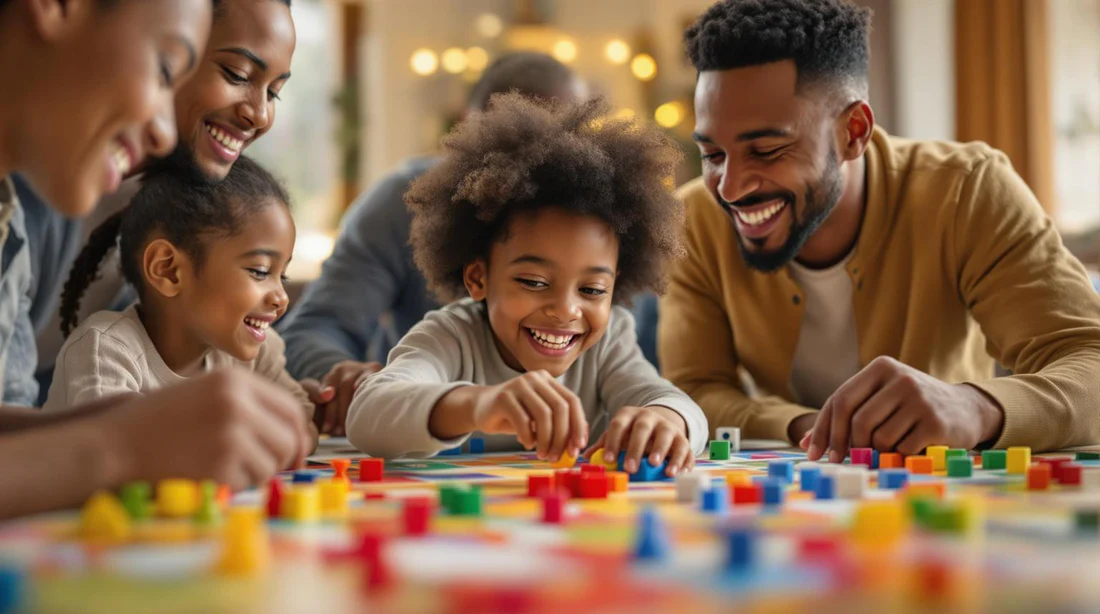
In a world dominated by digital entertainment, notifications, and online interactions, one surprising form of play has continued to strengthen human connection more than almost any other: board games. Whether competitive or cooperative, simple or complex, board games offer something uniquely powerful — face-to-face interaction, shared laughter, tense moments, collective problem-solving, and memories that last far beyond game night. Even online communities and platforms like Board Game Duel build on this human desire to connect through gameplay, strategy, and social storytelling.
But what exactly makes board games so good at creating and strengthening relationships? And why do people from all generations and backgrounds gravitate toward them? The answer lies in psychology, communication, emotion, and the irreplaceable magic of playing together.
1. Board Games Encourage Real Human Interaction
Unlike video games, text messages, or virtual chats, board games put people in the same physical space. They require:
- Eye contact
- Conversation
- Social awareness
- Emotional expression
- Cooperative or competitive engagement
These interactions help players understand one another better, improving empathy and communication.
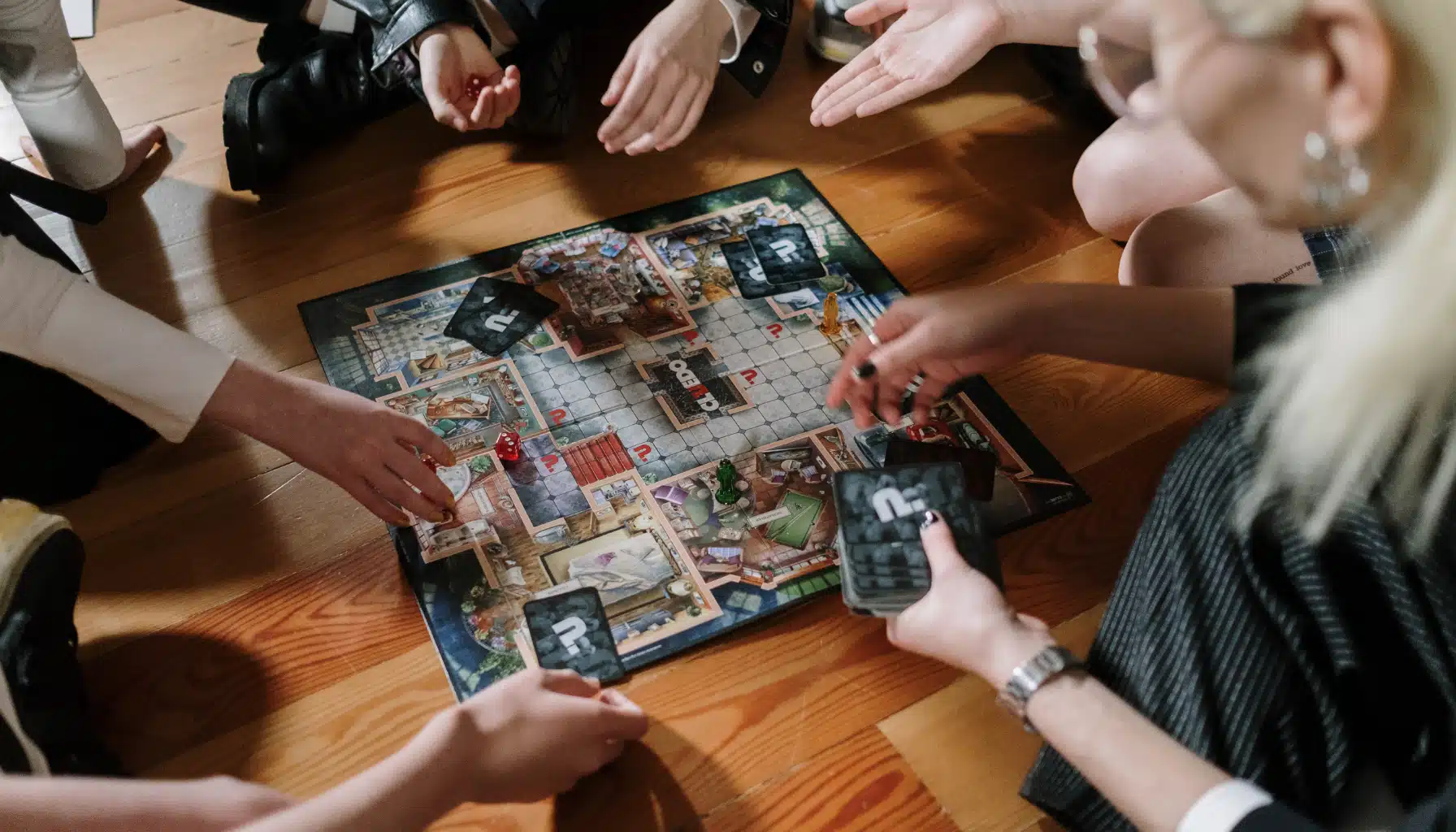
Face-to-Face Connection Matters
Modern life often separates people emotionally even when they are physically together. Sitting around a table with no screens, focusing on a shared goal, changes the dynamic completely. When players laugh, strategize, argue, or celebrate, those emotional exchanges create real bonds.
2. Shared Challenges Bring People Closer
Many board games place players in situations where they must work together:
- Solve puzzles
- Manage resources
- Survive disasters
- Defeat enemies
- Build civilizations
Shared goals enhance teamwork and trust. Even in competitive games, the challenge itself creates a sense of shared experience.
The Bonding Effect of Overcoming Difficulty
Psychologists call this phenomenon “cooperative stress.” When people experience difficult tasks together and overcome them, they naturally grow closer. That’s why co-op games like Pandemic or Spirit Island build such strong camaraderie.
3. Games Spark Conversation and Storytelling
Board games often lead to spontaneous conversations:
- Players explaining moves
- Discussing strategies
- Joking about mistakes
- Teasing opponents
- Sharing personal stories
This natural flow of communication builds connection more effectively than forced conversation.
Remembering Moments Strengthens Friendships
People often relive:
- A lucky dice roll
- A surprising betrayal
- A brilliant strategy
- A last-minute comeback
These shared stories become part of a group’s social identity.
4. Board Games Help Break Social Barriers
Many people feel awkward meeting new friends or interacting in groups. Board games solve this by giving everyone a common focus.
Why Games Make Socializing Easier
- They remove pressure to keep conversations going
- They provide structure
- They make people feel engaged
- They break the ice without forced introductions
Even strangers can quickly bond over a fun or intense gameplay moment.
5. Competition Creates Healthy Social Tension
Many friendships are built on playful rivalry. Competitive board games allow:
- Friendly trash talk
- Outthinking opponents
- Testing strategies
- Celebrating wins
- Laughing at losses
When competition is respectful, it strengthens relationships rather than harming them.
Winning Doesn’t Matter as Much as Playing Well
Good players know the goal isn’t just victory — it’s entertainment, skill, and the thrill of trying something smart or bold.
6. Board Games Teach Social Skills
Games naturally teach:
- Turn-taking
- Patience
- Negotiation
- Empathy
- Conflict resolution
- Emotional regulation
These skills improve communication and build stronger relationships outside the game.
Kids, Teens, and Adults All Benefit
For children, board games help develop emotional intelligence.
For adults, they provide stress relief and meaningful interaction.
For families, they strengthen bonds across generations.
7. Board Games Provide a Break From Digital Overload
Constant screen time can create disconnect, fatigue, and mental exhaustion. Board games offer a refreshing alternative:
- No apps
- No pings
- No multitasking
- No scrolling
- No online pressure
They create a peaceful environment for closeness and calm focus.
8. Board Games Turn Ordinary Nights Into Memorable Experiences
A simple evening with friends can turn into an unforgettable night because of:
- Heated debates
- Wild plot twists
- Hilarious outcomes
- Unexpected alliances
- Dramatic endings
These surprises create emotional highs that cement relationships.
9. The Gaming Table Levels the Playing Field
Board games bring together people with different ages, backgrounds, and personalities. At the table:
- A teenager can outsmart an adult
- A shy person can shine with strategy
- A newcomer can win with luck
- Everyone starts with equal opportunity
This creates respect, admiration, and connection across groups.
10. Games Offer a Safe Space for Emotional Expression
People can express excitement, frustration, tension, and joy openly during a game. Outside of gaming, many individuals suppress these emotions.
Games let everyone loosen up.
Laughter Is the Strongest Bond
Shared laughter creates instant connection and lasting relationships. Board games often produce constant humor — intentional or accidental — and that shared joy builds trust and friendship faster than almost any other activity.
Final Thoughts
Board games aren’t just entertainment — they are a social formula for connection. They bring people together, give them shared goals, spark laughter, build trust, and strengthen relationships through play. In an age where digital habits often replace in-person connection, board games offer a powerful reminder of what it feels like to truly interact.
They turn moments into memories, strangers into friends, and friends into lifelong companions. As long as humans crave connection, board games will continue to be one of the most meaningful ways we can gather, communicate, and grow together.