
Restoring Coral Reefs: A Step-by-Step Look at Modern Techniques
Healthy ocean life grows stronger when thoughtful care supports fragile marine structures. Many communities value coral reef restoration efforts because they help bring back balance and protect living creatures across wide areas. Careful study, patient work, and steady action allow teams to renew damaged zones through simple and reliable approaches that focus on growth and renewal without unnecessary strain.
Understanding coral structure
Coral shapes form slowly and require clean surroundings to grow well. Skilled teams observe natural patterns and use gentle care to support each young piece. Careful placement protects each growing form while simple steps guide stable development through clear aims.
Selecting strong coral fragments
Experts choose firm pieces that show healthy color and steady growth signs. These selected bits support wider recovery by encouraging natural spread. Each placed piece begins a new stage for steady renewal and stronger future growth within the surrounding area.
Using supportive frames
Light frames help keep each tiny piece safe during the early stages. These frames guide growth and prevent unwanted shifts caused by moving water. When stable, the coral begins to attach naturally and forms stronger shapes across the connected zone.
Planting coral pieces
Team members gently place each piece where sunlight and water levels stay balanced. Proper placement encourages natural spread while protecting each growing form. This careful action supports connected growth, allowing entire clusters to grow together and become firm.
Monitoring early development
Close observation helps guide early changes. Teams visit often to check color, growth speed, and any small concerns. These simple checks help maintain healthy conditions so each growing piece stays strong and continues to expand across the support area.
Controlling harmful factors
Workers remove unwanted obstacles and control harmful elements that slow growth. Clear surroundings allow coral to grow without stress. This simple upkeep keeps each area safe and encourages wider progress throughout the entire growing space.
Encouraging natural recovery
When coral attaches firmly, natural renewal begins. Water movement supports steady expansion, and sunlight strengthens the growing forms. Over time, the area becomes stronger as clustered pieces bind together and create wider structures.
Supporting long-term growth
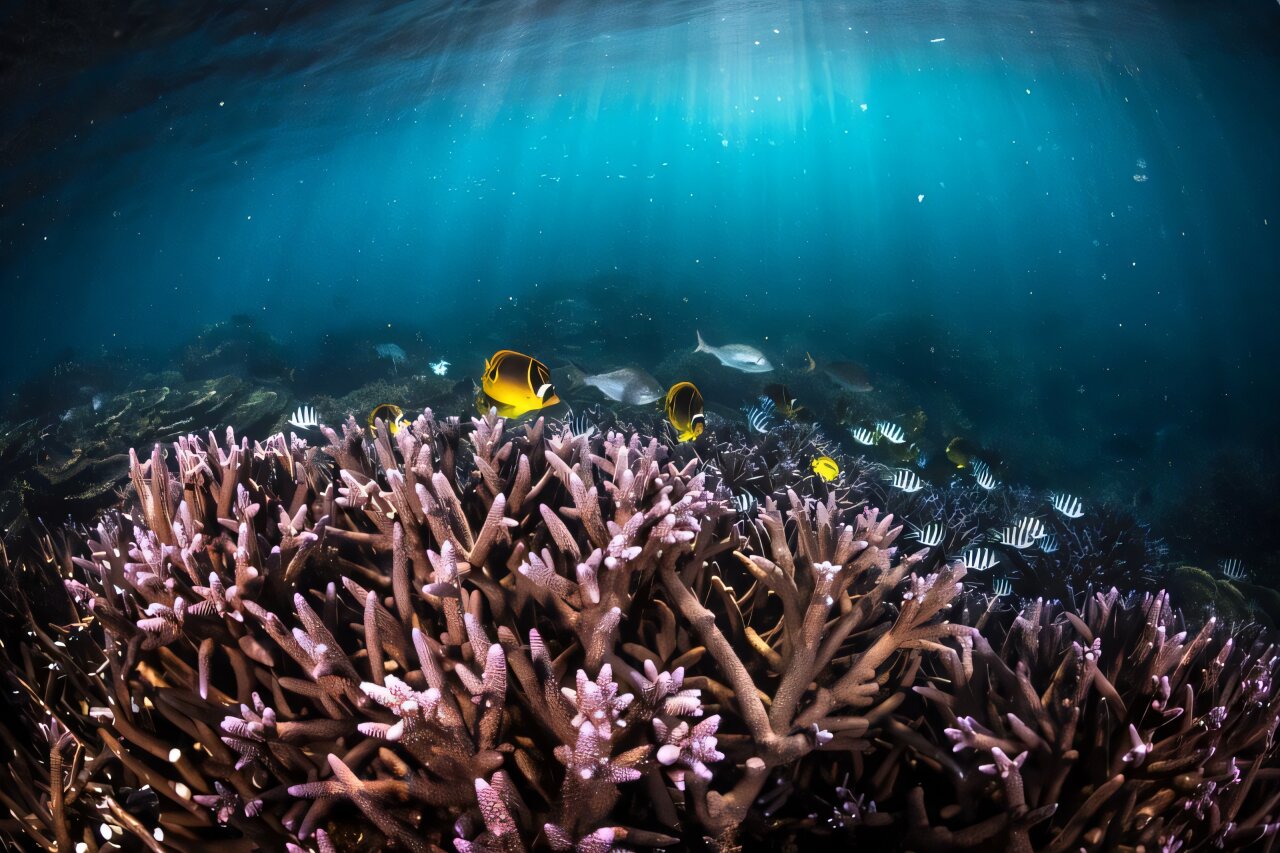
Teams guide ongoing development with gentle cleaning and simple protective steps. These actions keep the growing forms steady. Over time, strong shapes form and support many marine creatures while creating stable surroundings.
Measuring success
Growth tests show how well the coral is performing. Teams compare color, size, and strength to earlier stages. These checks help guide future actions so each area continues to improve and remains steady across various growth periods.
Sustaining future progress
Continued support encourages renewal across larger zones. Teams share simple steps and give clear guidance for future care. This ongoing work ensures the growing formations remain strong and continue to expand naturally.
Careful planning and calm action create meaningful change for growing coral structures. Different teams use steady guidance and gentle support to help underwater life flourish again. Clear choices build long-term progress by encouraging natural expansion across wide surroundings. When patient care follows thoughtful steps, each formation slowly grows stronger. These steady actions help bring healthier patterns across wider zones. With continued attention, coral reef restoration efforts give marine life a stable base and encourage lasting recovery.